
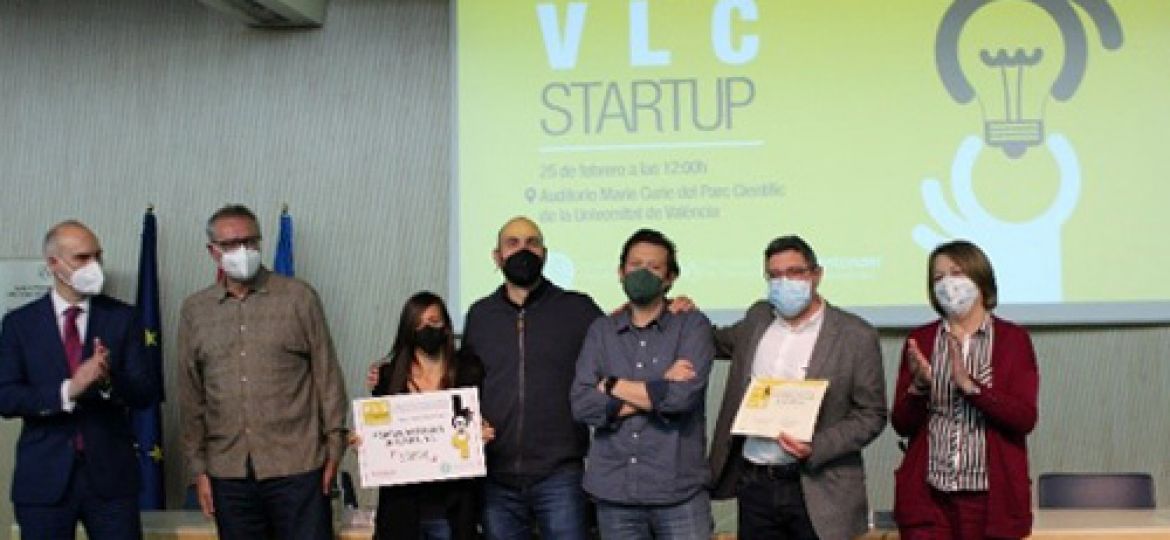
Our new company Porous Materials in Action (PMA) has received the first award of the StartupVLC 2021 Parc Científic de la Universitat de València, on the laboratory category. Here Carlos Martí-Gastaldo presents PMA: Youtube
our title
WE BUILD CONNECTIONS WITH ORGANIZATIONS AND COOPERATE WITH SMART PEOPLE ALL OVER THE WORLD
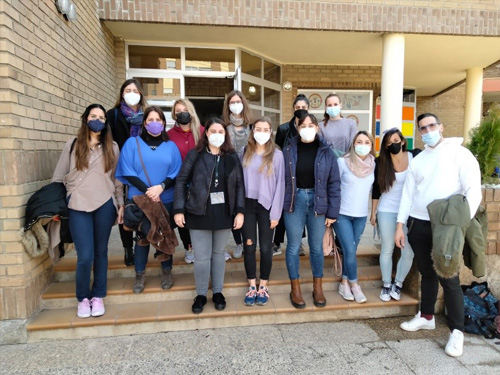
The female part from our group have happily participated in the celebration of the International Day of Women and Girls in Science that took place on the 11th of February 2022. On this day, dedicated to celebrate women in science, they joined the CEIP Bertomeu Llorens i Royo (Catarroja) in order to present children the significance of women in research and science and bring closer to them the gender equality concept. They enjoyed a lot and received a lot of feedback from the school!
Our group is constantly expanding and a lot of new members have recently joined our lab. Larisha, Violeta, Eva and Garin will join as Postdoctoral Researchers while Eloy is starting with us the PhD journey. Also, a big group of students started joining us this year to develop their final Master thesis or as part of an internship program. Take a look on the team descriptions for further information.
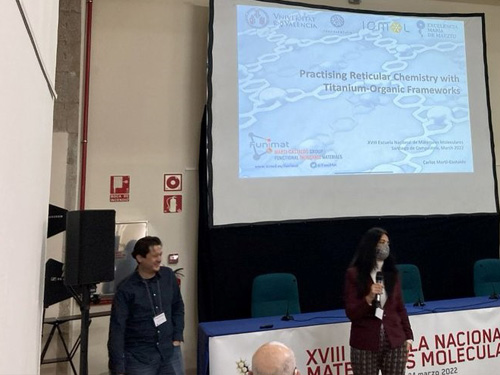
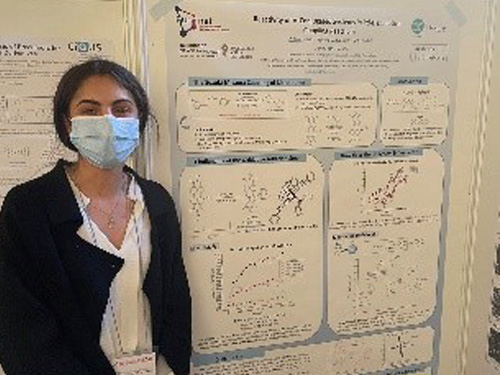
Carlos Martí Gastaldo was invited as a speaker in which he presented his work Practising Reticular Chemistry with Titanium-Organic Frameworks. Also Clara and Eloy, our first year PhD students have participated with their posters.
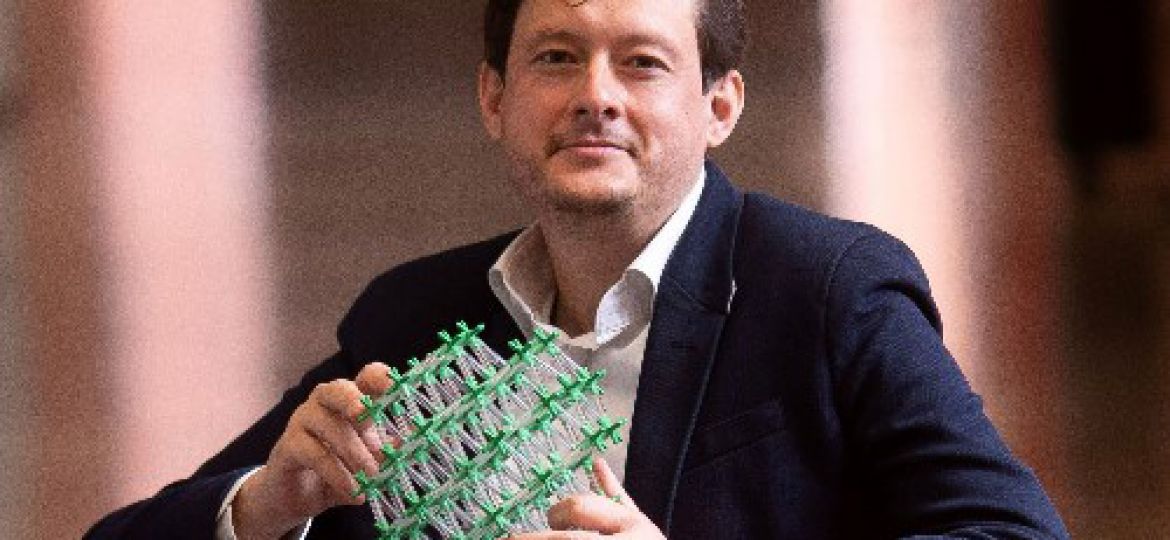
Carlos Martí-Gastaldo, group leader of the FuniMAT group at the ICMol of the University of Valencia, has been awarded a prestigious Consolidator Grant of 2 million euros from the European Research Council (ERC) for the development of his project LIVINGPORE. The project aims to develop innovative strategies to «program» the chemistry and the structural response of porous MOF-type materials.
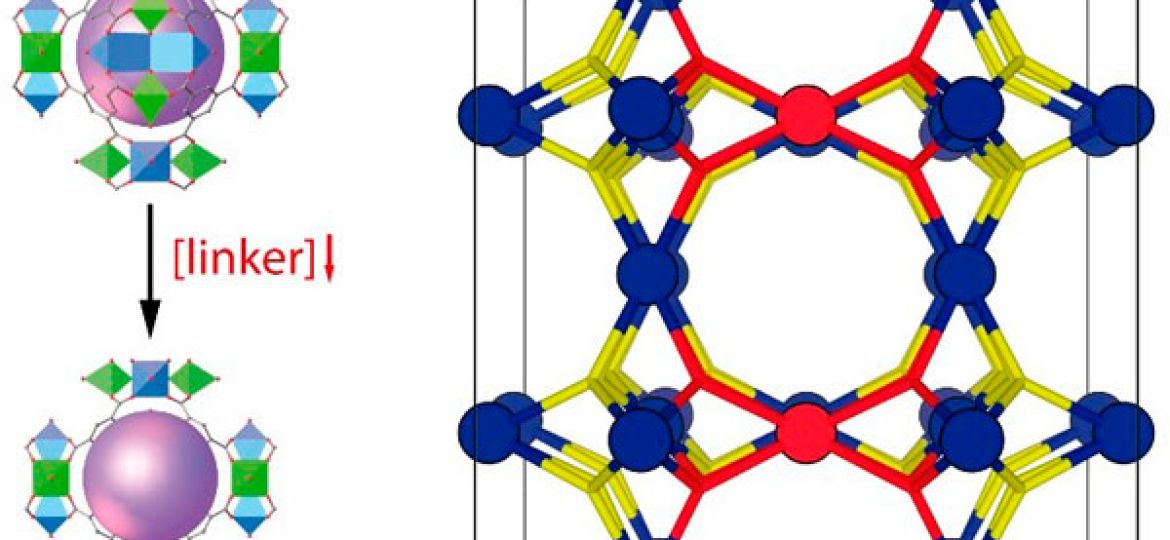
This manuscript by Isabel has been published in Chemical Science. The manuscript shows the value of integrating experimental work, computational modelling and thorough characterization in rationalizing the impact of defects over the porosity and structure of the titanium framework MUV-10. Click for more info.
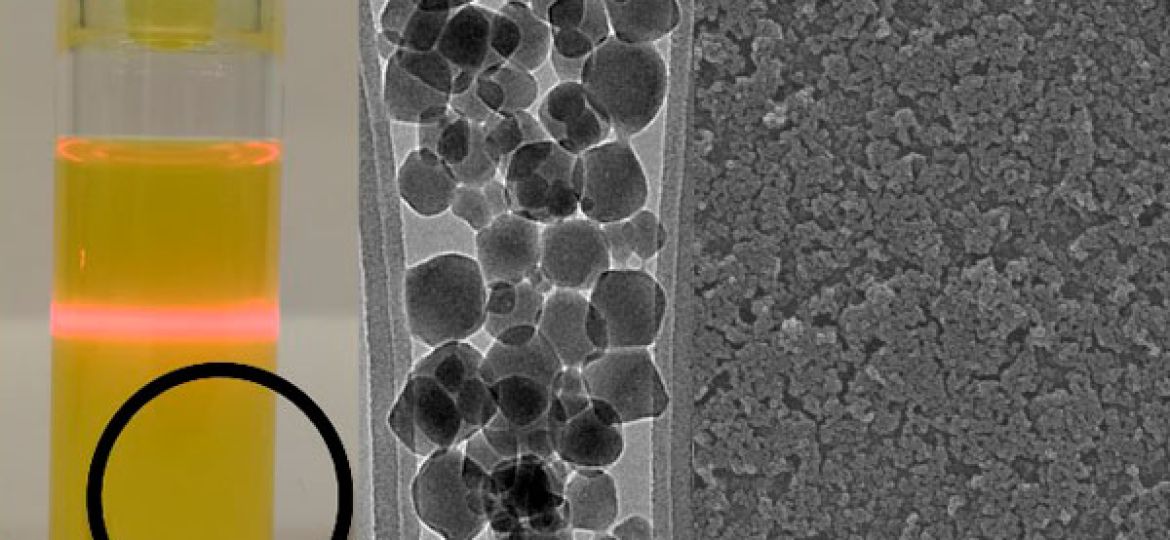
Maria´s work has been published in Chemical Communications. The work is focused on the use of amphiphilic modulators to control the formation of titanium MOF nanoparticles with minimum impact to the framework to enable the fabrication of highly porous thin films. Click for more info.
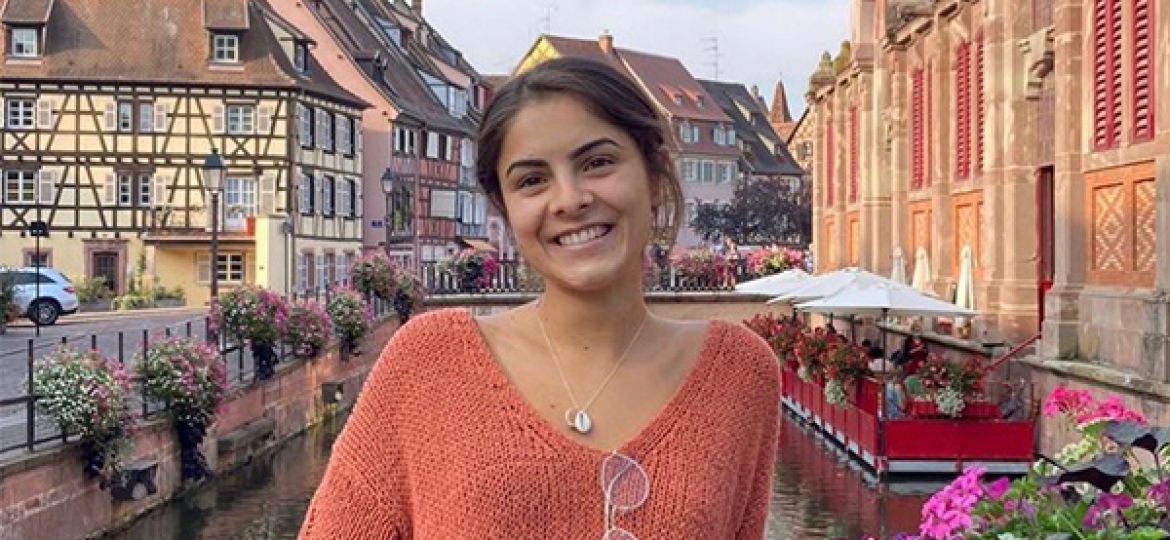
Clara graduated in Chemistry in 2020 at the University of Valencia. She has also completed the International Double Degree in Organic Chemistry between the UV and the University of Strasbourg (UNISTRA)-École européenne de Chimie, Polymères et Matériaux (ECPM). She will be working in the design and evaluation of porous photocatalysts. Good luck Clara!
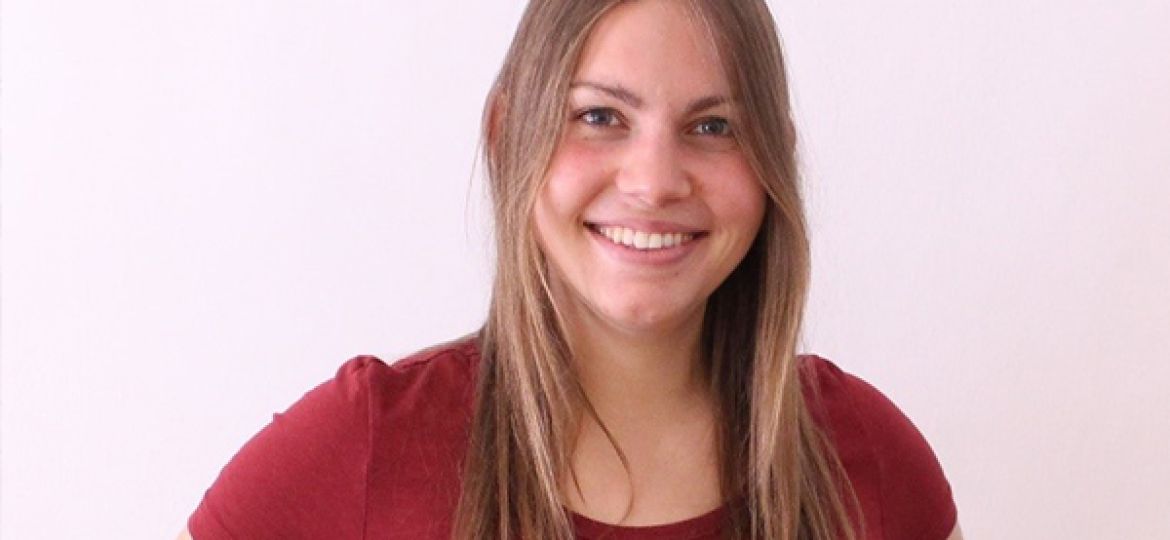
Sabine is originally from Austria. She joins us with an Erasmus internship from the University of Graz after completing her Master in Technical Chemistry. She will approach new strategies for the design of bimetallic MOFs and bioconjugation chemistry. Good luck!
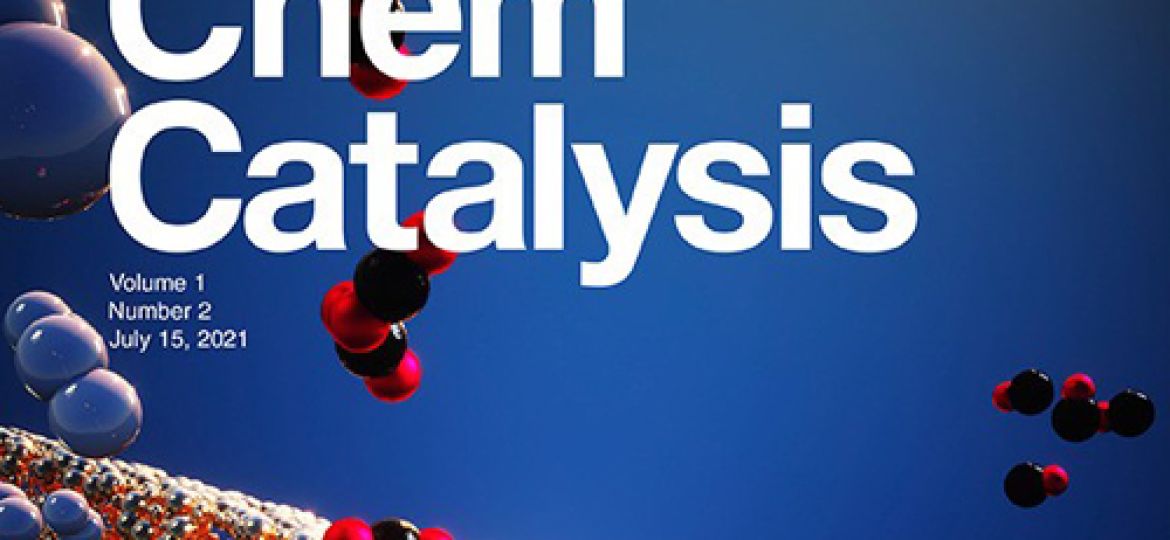
The work by Javi on the calcination of heterometallic MOFs during hist stay at KAUST has been featured as the front cover of the 2nd issue of the journal. Congratulations! Click the link for more info.