
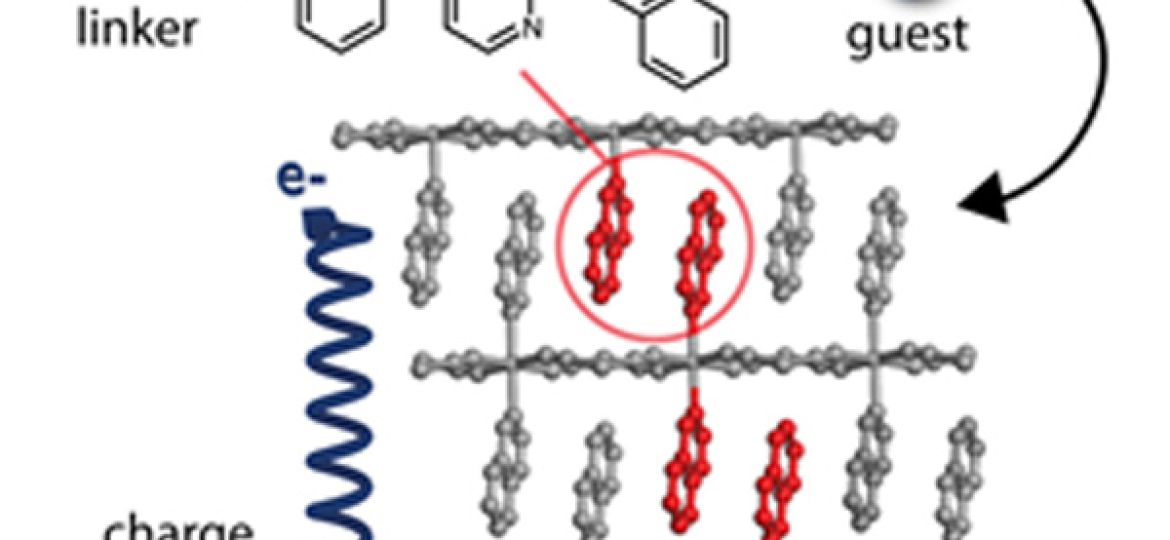
Our study of the nanoscale properties of a family of 2D FeII Hoffmann-like coordination polymers was just published as an article in Chemistry of Materials. This collaboration between from FuniMat and SMolMat research groups of the ICMol, and scientist from the DELTA synchrotron of TU Dortmund. We report the fabrication of ultrathin films of (thickness < 30 nm) of this family of 2D FeII Hoffmann-like coordination polymers, and the subsequent study of their electronic and structural properties at the nanoscale. This type of study is unprecedented in spin crossover coordination polymers and contributes to the perspective integration of these materials into the field of electronics. You can read the full text here
our title
WE BUILD CONNECTIONS WITH ORGANIZATIONS AND COOPERATE WITH SMART PEOPLE ALL OVER THE WORLD
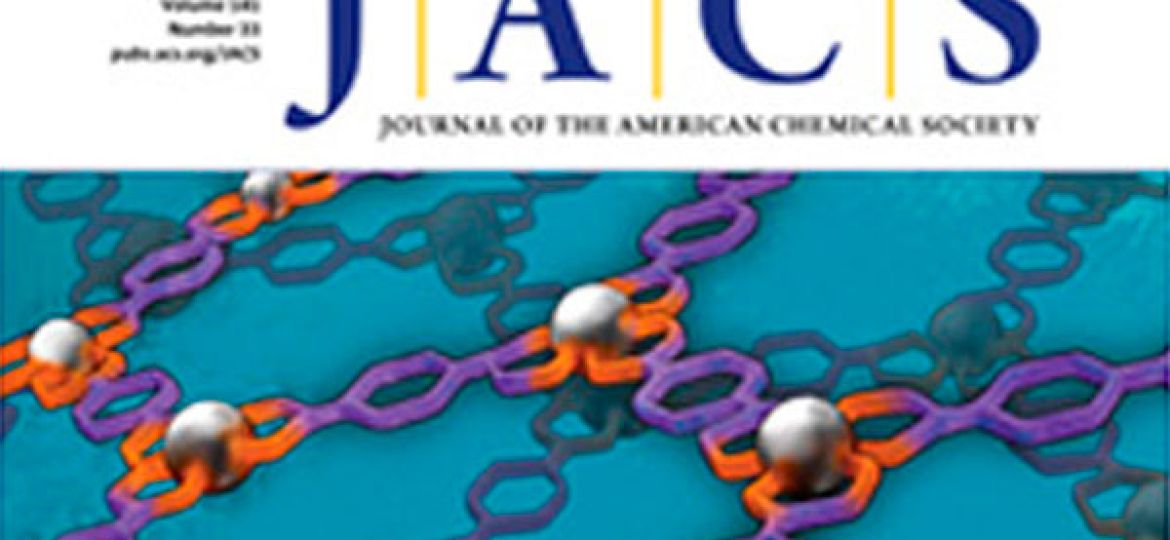
Our work on the synthesis of hydroxamic titanium frameworks has been highlighted as supplementary cover in JACS. Thanks to the creative team of Principia for the excellent result. Hope you will like it!
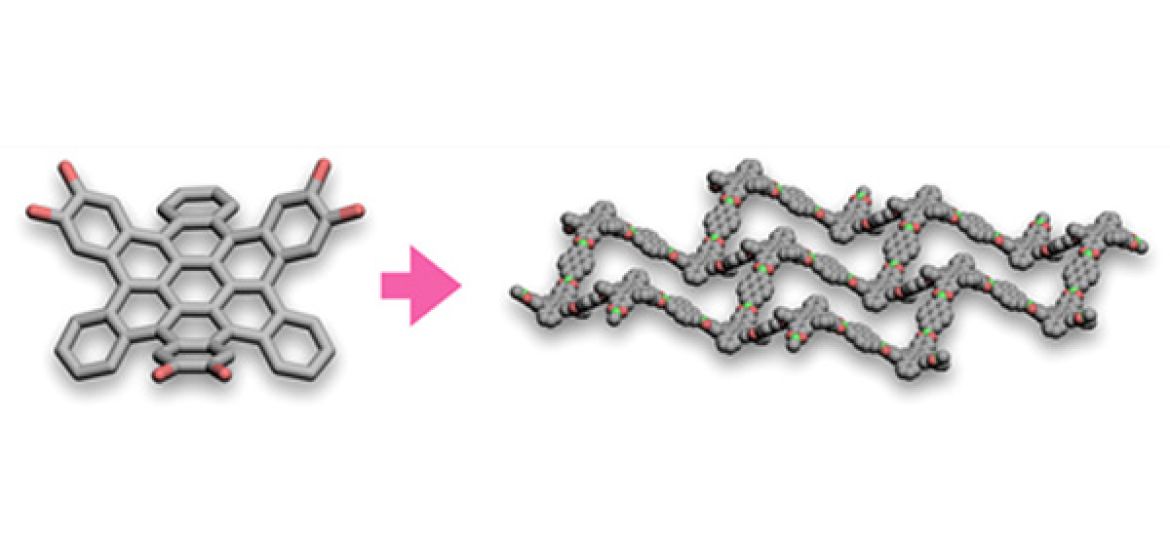
Check our last collaboration with Mateo-Alonso´s group in Polymat. Marta-COF-1 is a nonplanar 2D-COF in which the waviness of the framework does not disrupt the interlayer p-p stacking so their charge transporting properties are similar to those of the best performing planar 2D COFs. The high stability and crystallinity of Marta-COF-1 have allowed an extraordinary level of characterization by HR-TEM, showing chairlike honeycomb facets and aligned mesoporous channels consistent with the experimental and predicted dimensions and packing. For more info see here
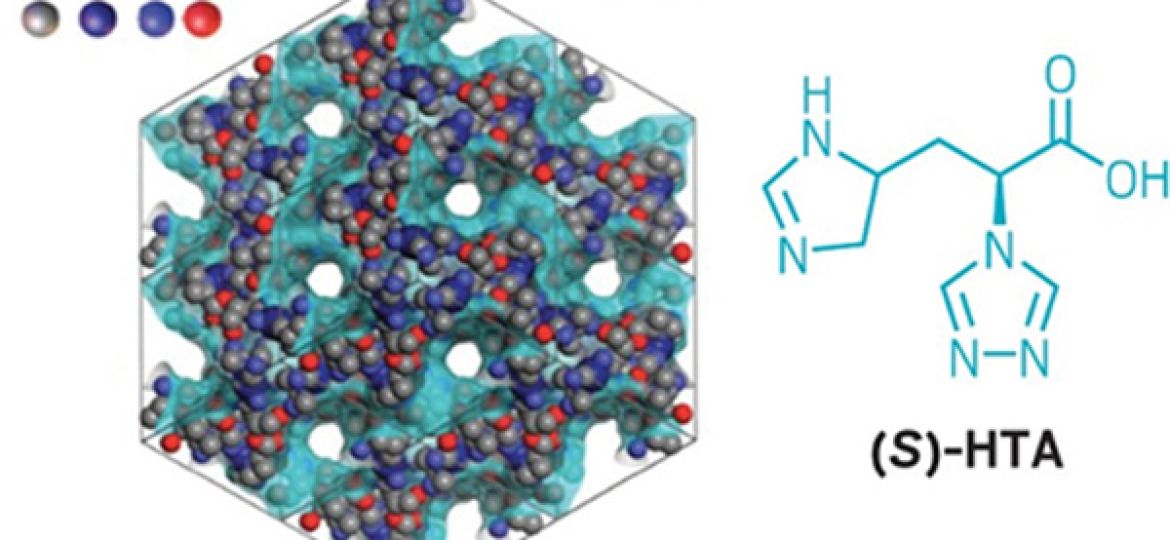
Our work on MOFs as chiral stationary phases has been highlighted in Chemical & Engineering News. Check it out!
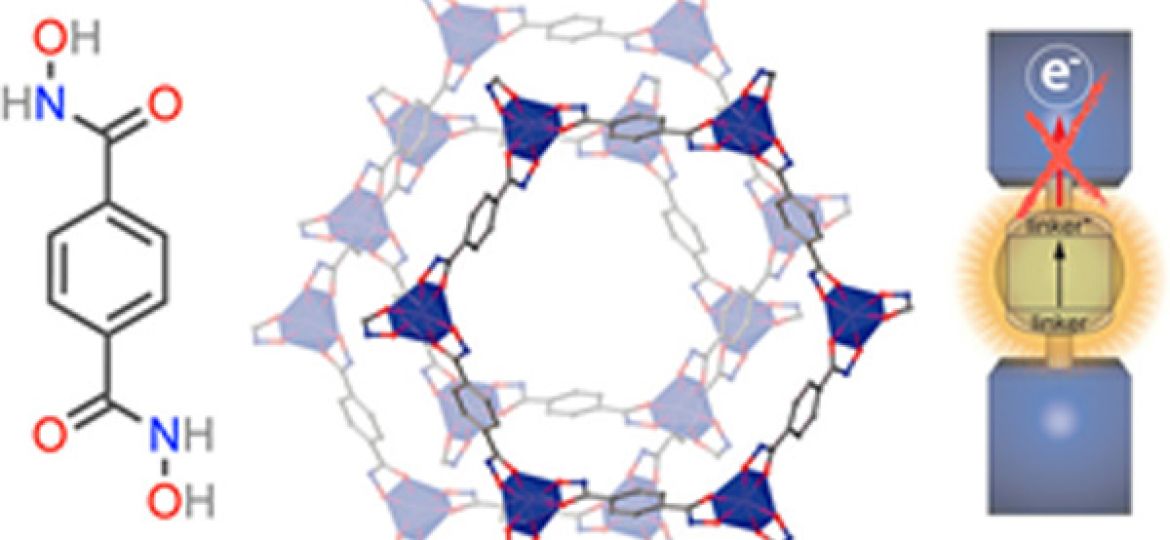
Natalia´s work is already available at JACS. The design of metalorganic frameworks with chemical stability is limited to metal connectors as carboxylates or azolates. Inspired by the chemistry of siderophores, we report a hydroxamate titanium framework that combines photoactivity with hydrolytic stability. The straightforward derivatization of carboxylic linkers with hydroxamic groups might represent an alternative route to broaden the family of reticular solids. Check it out!
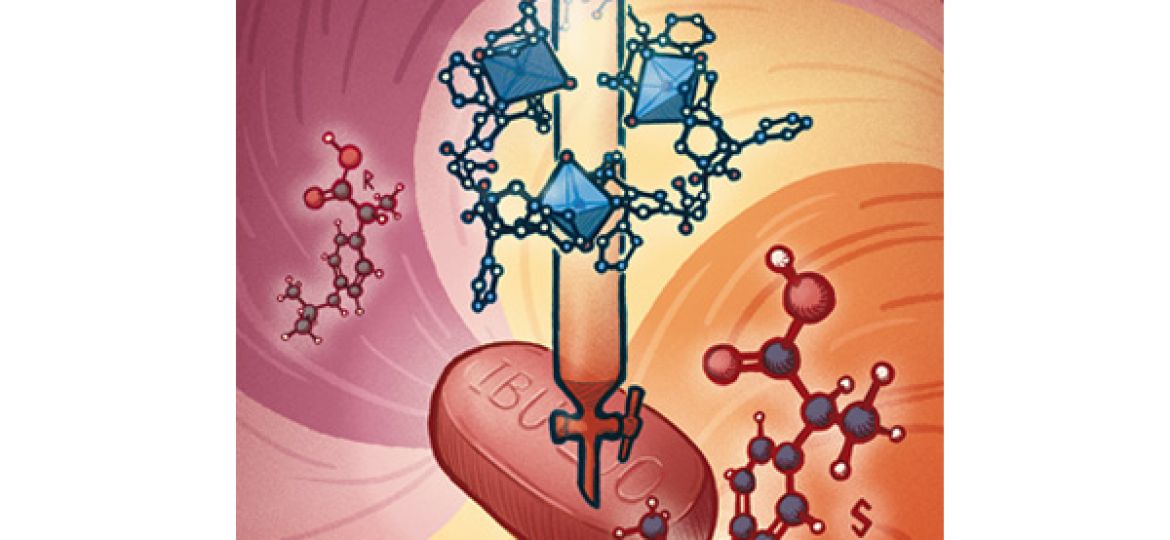
Our work in collaboration with J.R. Galan-Mascaros group at ICIQ has been published in JACS. This work highlights the versatility and efficiency of TAMOF-1 as a chiral stationary phase capable of separating a variety of model racemic mixtures, including drugs, in a wide range of solvents of different polarity. This performance arises from the combination of chiral channels and weak binding sites allowing for low-energy separation of enantiomers, without any strong binding/recognition sites. Click for more info
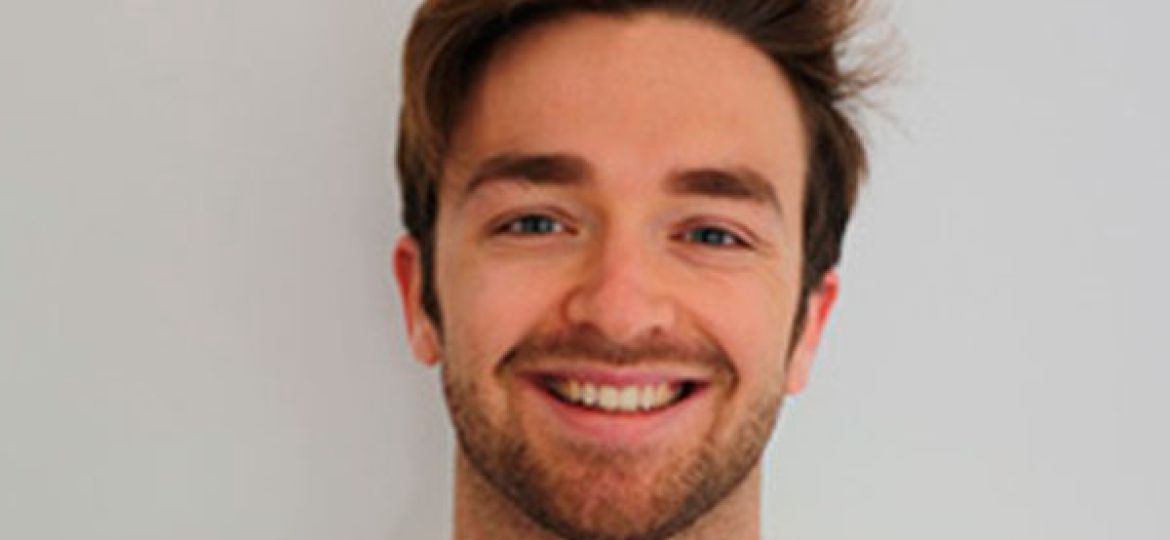
Rubén graduated in Chemistry at the Universidad de Valencia in 2019. He will be exploring the electrocatalytic properties and potential of some of the materials developed @FuniMAT in energy conversion.

Ana graduated in Chemistry in 2018 after an Erasmus stay at The University of Manchester. She will be exploring new methodologies for the flow synthesis of pharmaceuticals with MOF catalysts.
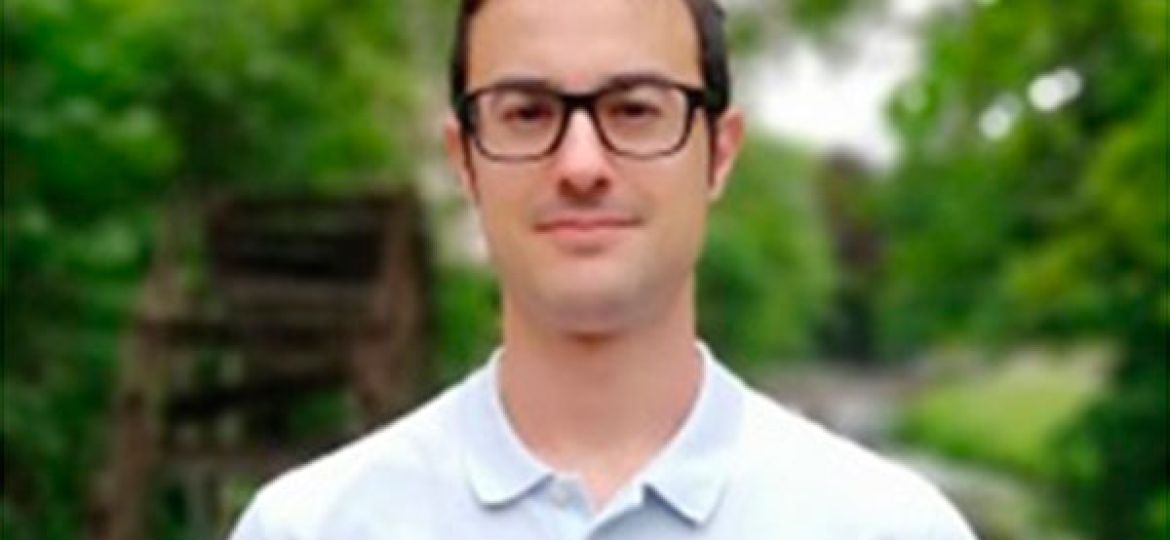
Fran is originally from Elche. He joins the team with a La Caixa Junior Leader Fellowship Fellowship after a Postdoc stay in KU Leuven with Dirk De Vos. He will focus on the development of high performance metal-organic framework catalysts.
Isabel and Francisco have been awarded the Marie Curie and La Caixa Junior Leader Fellowships, respectively. These are very competitive calls that highlight their excellent scientific and academic performance. Congratulations!